What Happens During a Valuation: Jewellery & Watches
INTRODUCTION
Jewellery and luxury watches are highly attractive to thieves: they are valuable, portable and can easily be stolen both inside and outside the home. It is no surprise, therefore, that our jewellery and watch valuation service is in high demand. Insurers require these high-risk items to be accurately catalogued and professionally examined in the event of a claim, and our highly trained and experienced specialist valuers are here to assist, from the comfort of the client’s home. The valuation of jewellery and watches requires precision and meticulous attention to detail, so this page outlines the process from the moment the valuation is booked through to the completion of the report. Its purpose is to ensure that all parties know exactly what to expect from their valuation experience.
AHEAD OF THE VALUATION
Our jewellery and watch valuers will need an indication of the items to be valued ahead of the appointment. This enables them to plan their time effectively on the day, as well as allocate sufficient time in the office for any additional research and the preparation of the report. For context, plain gold items are significantly simpler and quicker to value that say a five-stone diamond ring. We therefore ask clients to provide a list of items or a previous valuation report at the time of quotation or booking. This also helps ensure a more efficient appointment, as the client can prepare the items in advance and the valuer has a clear understanding of what is to be included.
PAPERWORK
In addition to knowing what they will be valuing, our jewellery and watches valuers ask that clients have all relevant paperwork available on the day. This includes boxes, receipts, and guarantees for watches.
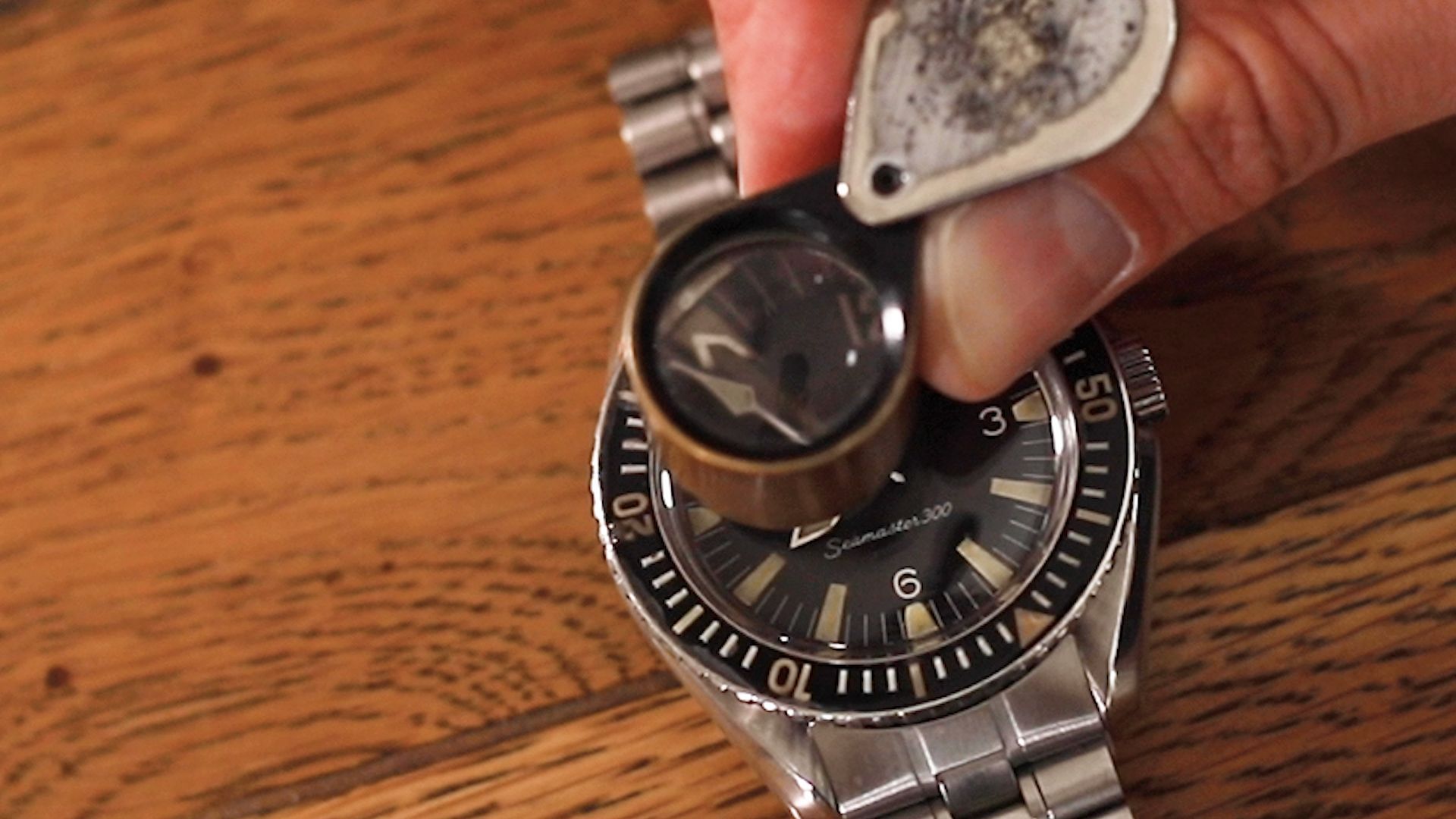
Occasionally, a watch’s serial number may be concealed within the case, and our valuers will not open a watch to locate it. In these instances, they rely on the accompanying documentation to verify and match the relevant details. Similarly, when valuing diamonds, a GIA certificate can be extremely helpful. Whilst our valuers examine gemstones with great care and attention to detail, valuations are typically carried out in a domestic setting rather than a laboratory environment, where lighting and conditions are naturally less controlled. Certification therefore provides an important point of reference, allowing our valuers to compare their findings and reach the most accurate conclusion.
If the client has had a previous valuation carried out, we ask that our valuer also has access to this. Our valuers will still be examining and documenting the items anew but having the details of the items in one place assists with consistency and continuity through the years as valuations are updated.
THE DAY OF THE VALUATION
Following a courtesy call from our valuer on the days leading up to the valuation (to allow them to introduce themselves and briefly discuss the valuation), our valuer will arrive at the allocated time to begin the valuation. Upon arrival, they will chat with the client about the items to be included. This is usually conducted at the table where the jewellery and watches items are laid out in preparation for the valuation (along with their corresponding paperwork).
Our jewellery and watches valuers bring all the necessary equipment they need. This includes a camera for photographing the items, a laptop for inputting data, magnifying glasses, scales, gold and diamond testing equipment etc. They do require a plug socket, access to WiFi and a table with a supported chair from which to work. They will then begin examining each item and the client is free to allow them to continue the process. Where required by insurers, clasps and settings can also be assessed. If our valuers have any questions, they will raise this with the client either as they value or at the end of the valuation.
FINISHING UP
Once all the items have been examined and catalogued and all questions (from either side) answered, our valuer will leave the property and look to conduct any necessary research over the coming days / week. A draft report of their findings will then be shared with the client via email, to allow for any questions, before the final report is produced.
CONCLUSION
Valuations of jewellery and watches are essential in today’s climate. With thefts of such items on the rise, it has never been more important to ensure valuable items are appropriately insured.
Having a valuer come to the property also has a number of benefits. Firstly, it mitigates the risk of transporting valuable items to a jeweller. Secondly, the client doesn’t have to be away from their items (some jewellers have to retain the items for an extended period of time or even post them to be valued). Lastly, jewellers charge per item or a percentage of the overall value which can be expensive. By charging by the hour, we can offer a cost effective way to have a collection valued.
Our valuers are also very passionate about what they do, and are incredibly knowledgeable about the world of jewellery and watches and so clients find the whole experience to be very rewarding.