Share post
Please enjoy our latest article on Underinsurance, by Kerry Hall
When discussing contents insurance with clients, one of the biggest gaps often comes down to how value is assessed. Many clients think in terms of what they originally paid or what they could pick something up for at auction or second-hand rather than the retail replacement cost their policy is based on. In a total loss scenario, insurers are replacing items new, at today’s prices, not yesterday’s bargains. That distinction alone can create a significant shortfall, even before we look at the items most commonly overlooked.
Below are five key areas where we at Quastel Associates have noticed that underinsurance frequently creeps in and where a professional contents valuation can make a real difference.
1. Silver and Gold
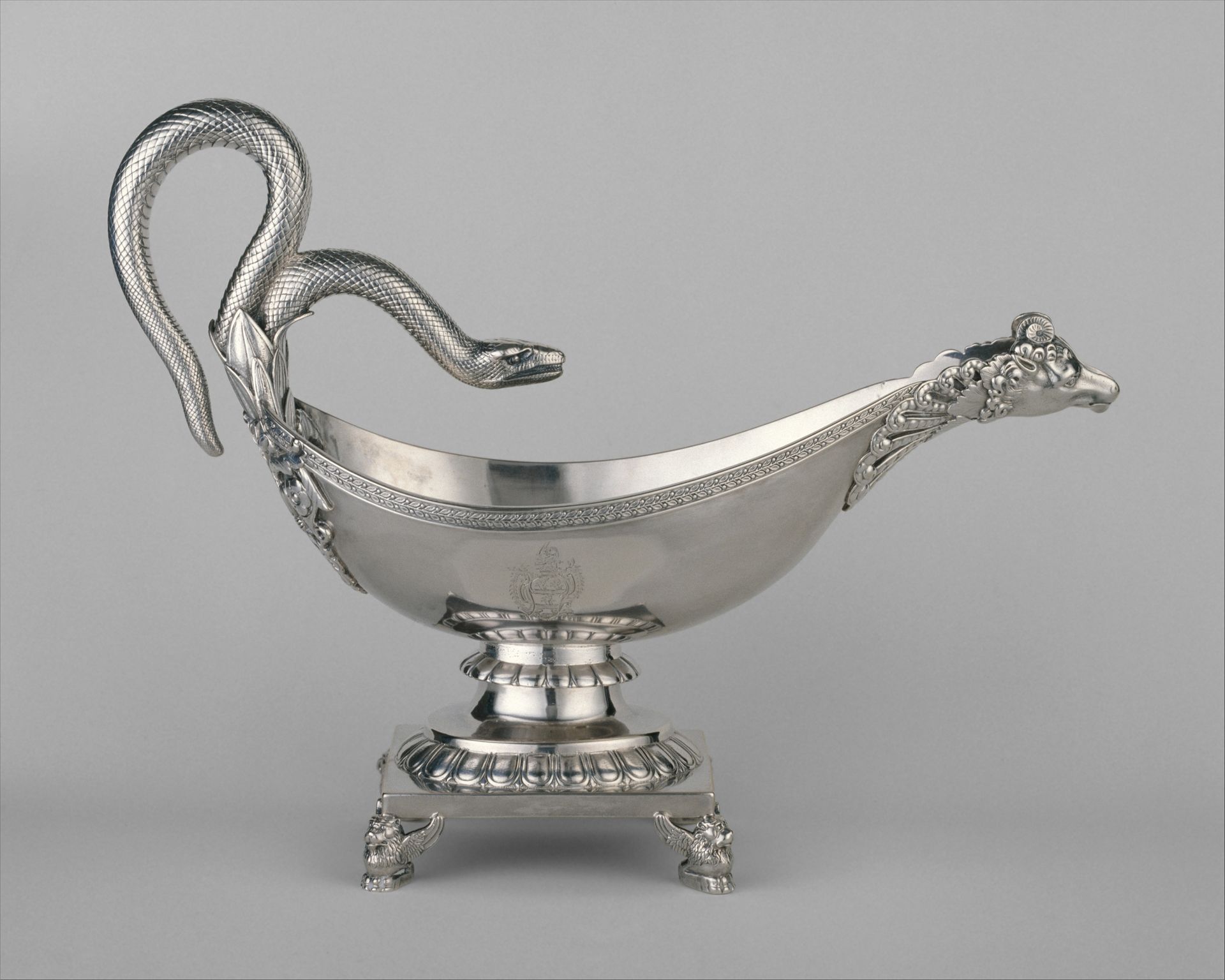
Precious metals have been on a remarkable run. Gold and silver have hit near-record levels over the past few years, driven by global economic uncertainty and market demand. For example, gold prices have traded well above long-term averages, and silver has seen pronounced spikes linked to industrial demand and investor interest. Clients who last reviewed their coverage when metals were significantly cheaper may find their policies don’t reflect today’s values. Whether it’s a set of heirloom silver cutlery or a collection of gold jewellery, failure to keep values up to date can leave substantial gaps in cover.
2. Inherited Items
Inherited possessions are particularly tricky. Clients may receive items from family members with little or no understanding of their true worth. This is especially true when looking at antiques, art, jewellery, or collectables. Emotional value often overshadows financial value, and because nothing was purchased, nothing is consciously “counted.” These items are commonly either undervalued or omitted entirely from discussions about contents insurance.
3. Soft Furnishings: Curtains and Carpets
Soft furnishings are often underestimated because they’re seen as part of the home rather than its contents. Yet curtains, carpets, rugs, and blinds are typically covered under contents insurance and their replacement costs add up quickly. Bespoke curtains, fitted carpets across multiple rooms, stair runners, and high-quality underlay can represent tens of thousands of pounds in a single property, particularly in larger or higher-end homes. Clients frequently overlook the cumulative cost of renewing these items to today’s standards.
4. Clothing and Handbags
Wardrobes are another area where “it doesn’t feel like much” turns into a substantial figure. Individual items may seem reasonable, but collectively they mount up fast. Designer handbags in particular have seen notable price inflation. Famous names like Hermès, Chanel, Louis Vuitton, and Gucci now command significantly higher retail prices than in the past, and limited editions or rare pieces can appreciate further. Clients rarely step back to consider the combined value of everyday clothing, shoes, accessories and luxury handbags and yet it is precisely this total that insurers must account for.
5. Outside and Outbuilding Contents
Finally, items kept outside the main home are frequently forgotten. Statuary, garden furniture, tools, barbecues, ride-on mowers, and equipment stored in garages or sheds all fall under contents cover. Because these items are “out of sight,” they’re often out of mind during renewal conversations, despite representing a meaningful proportion of the overall contents value. High-end outdoor furniture sets, quality power tools, and garden machinery can be costly to replace and should be accounted for in a valuation.
Why Valuation Matters
For brokers and insurers, these gaps present both a risk and an opportunity. A professional contents valuation helps ensure the sum insured reflects true retail replacement costs, reduces the likelihood of underinsurance, and supports better outcomes at claim stage. Just as importantly, it builds trust, demonstrating to clients that their cover has been properly thought through, not guessed.
Underinsurance rarely comes from negligence; it comes from assumption. A professional and impartial valuation replaces assumption with clarity and that’s a win for everyone involved.