Share post
Please enjoy our latest article on the dramatic rise of silver value, by Kerry Hall.
Silver has long lived in the shadow of gold, often seen as the quieter, more affordable precious metal. But in recent years, silver has been steadily rewriting that story. On the 14th of January (2026), silver stood at £68.31 per ounce, a record high that has captured the attention of investors, collectors, and everyday savers alike.
So what has driven this dramatic rise?
One of the biggest reasons is demand. Silver is unique because it plays two roles at once. It is both a precious metal people value for wealth protection, and an industrial metal used in everyday technology. From smartphones and laptops to solar panels and electric vehicles, silver is a vital component. As the world pushes toward greener energy and more advanced technology, the need for silver has risen.
At the same time, supply has struggled to keep up. Mining silver is becoming more expensive and more difficult. Many silver mines are older, and new large discoveries are rare. On top of that, silver is often mined as a by-product of other metals like copper and zinc, meaning production cannot easily be increased just because silver prices rise. When demand grows faster than supply, prices tend to climb and that is exactly what we are seeing now.
Another key factor is economic uncertainty. Over the past few years, people around the world have faced inflation, rising living costs, and concerns about the stability of currencies. In these times, many turn to physical assets like silver as a way to protect the value of their money. Silver feels tangible and real in a way digital numbers on a screen do not, and that psychological comfort plays a powerful role.
Silver has also benefited from being more accessible than gold. While gold prices are far higher per ounce, silver offers a lower entry point, making it attractive to a wider range of buyers. As interest in precious metals has grown, many first-time buyers have started with silver, adding further pressure to demand.
Is it time to rethink what your silver is worth?
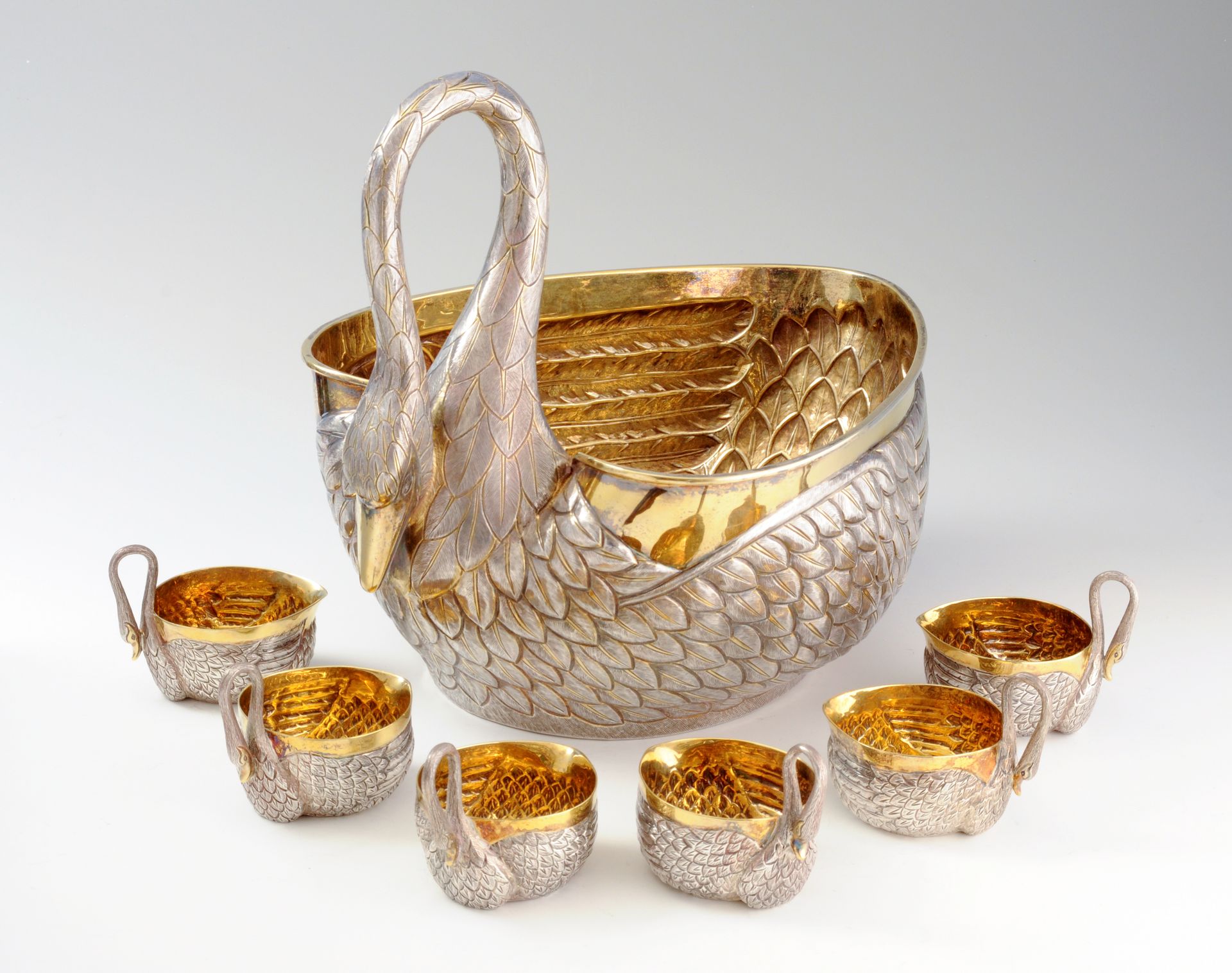
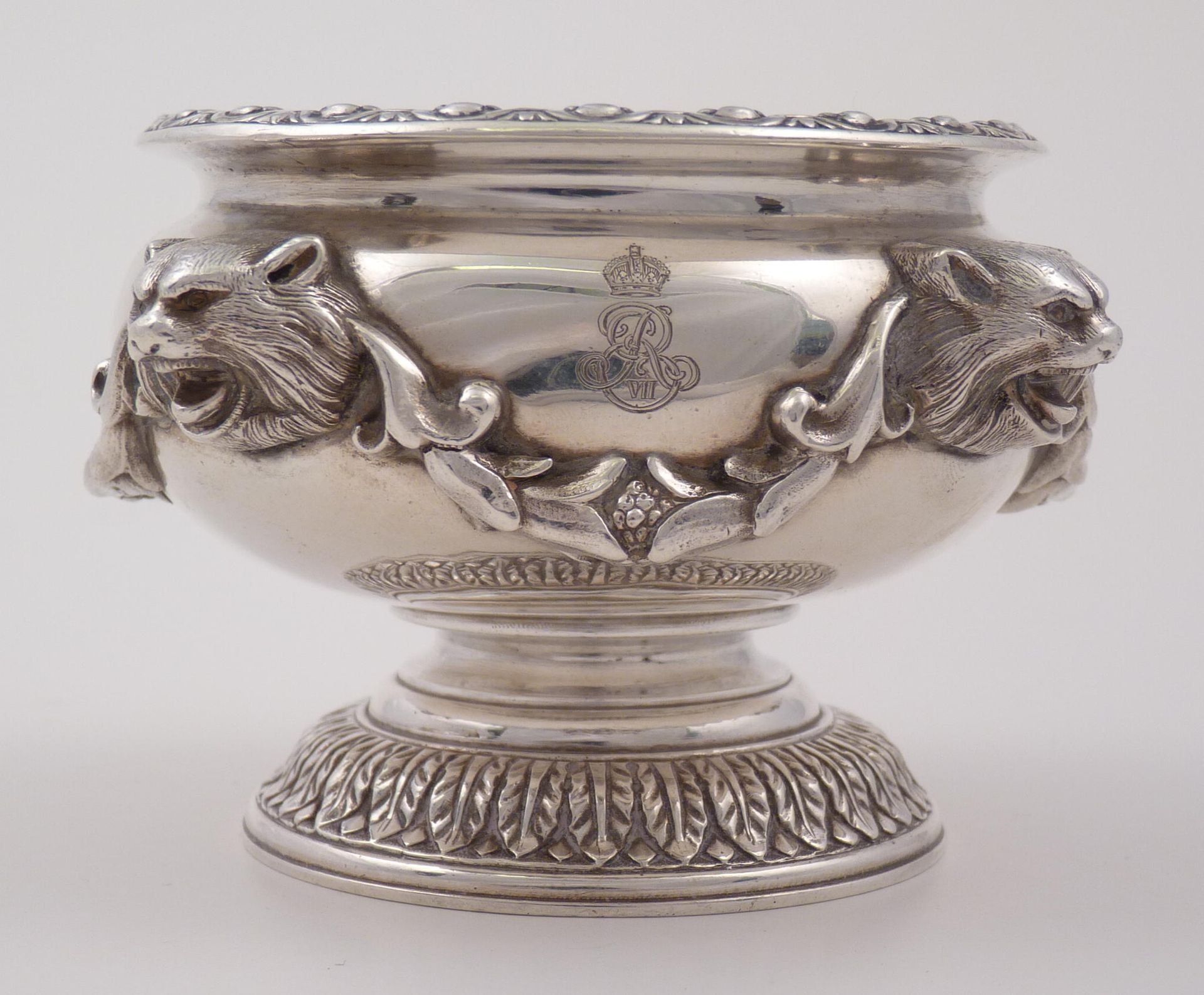
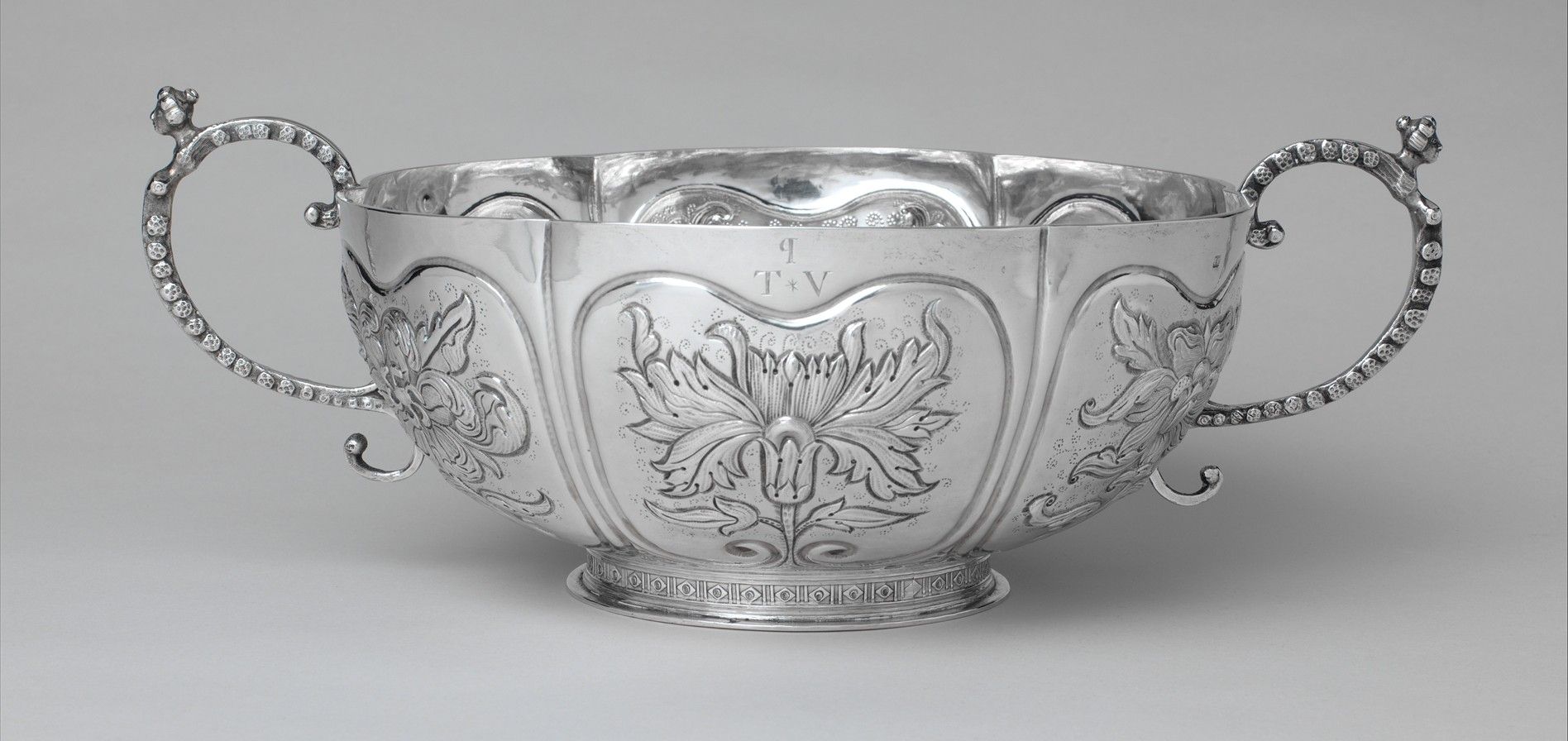
The record price of silver has encouraged many owners and collectors to view their holdings in a new light. Victorian silver items such as coffee pots and trophies have long been sold for scrap, but increasingly it is earlier Georgian pieces, including snuffboxes and canteens, that are being melted down. In many cases, these items achieve little more at auction once seller’s fees are taken into account, making a direct sale to bullion traders a quicker and simpler option. Melting silver allows it to be recycled and reused, and at today’s prices even small quantities can amount to a meaningful sum. That said, the decision is not always a simple one. Some objects carry historical, collectible, or artistic value that may outweigh their melt price, so owners are encouraged to consider carefully before consigning silver to scrap.
Looking ahead, opinions differ on where prices will go next. Markets never move in straight lines, and silver has always been known for its ups and downs. However, what is clear is that silver is no longer being overlooked. Its combination of practical usefulness and historical value has pushed it firmly into the spotlight.
If you own silver items at home, now is an ideal time to have them professionally valued in light of today’s record prices. At Quastel Associates, we have seen significant increases in the value of our clients’ silver collections and in many cases, values have doubled. With silver at historic highs, making sure your collection is accurately insured is not just sensible, but essential.